Article: How to Burn Bakhoor Safely: The Complete Step-by-Step Guide
How to Burn Bakhoor Safely: The Complete Step-by-Step Guide
The rich aroma of bakhoor has been treasured for centuries, filling homes with warm, inviting fragrance while creating an atmosphere of hospitality, celebration, and tranquility. Whether you’re new to bakhoor or continuing a long-standing tradition, burning it properly ensures you enjoy its full aromatic character while keeping your home safe.
Unlike candles or wax melts, bakhoor is gently heated rather than burned directly. The goal is to slowly release its fragrant oils—not scorch them. This guide walks you through the safest and most effective ways to burn bakhoor, explains the equipment you’ll need, and shares expert tips for getting the best fragrance from every use.
What Is Bakhoor?
Bakhoor is a traditional aromatic incense made by blending fragrant woods, resins, spices, herbs, and essential oils. It has been used throughout the Middle East, East Africa, and parts of South Asia for generations to perfume homes, clothing, prayer spaces, and special gatherings.
While recipes vary by region, bakhoor is commonly enjoyed before welcoming guests, during weddings and celebrations, after cleaning the home, and as part of daily fragrance rituals.
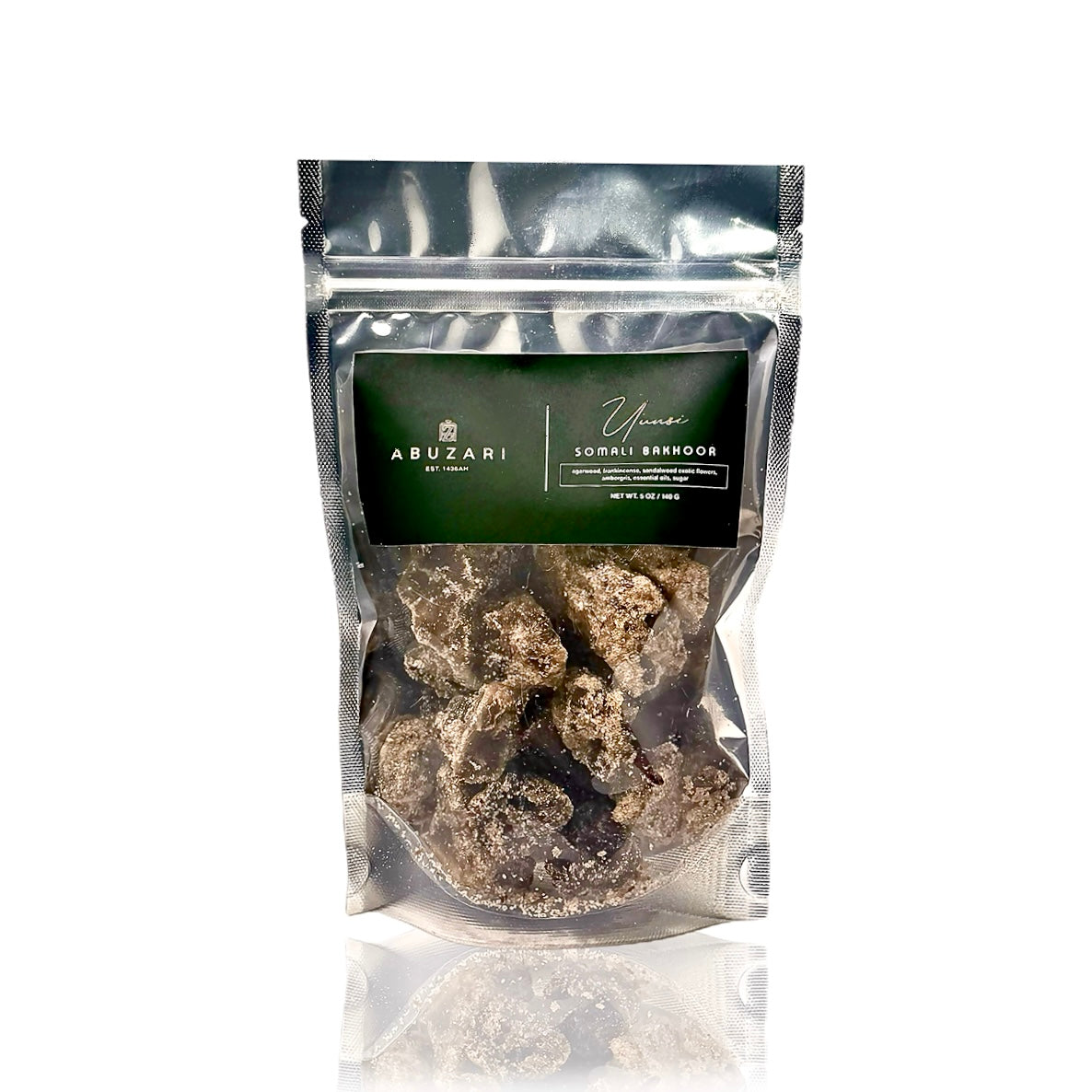
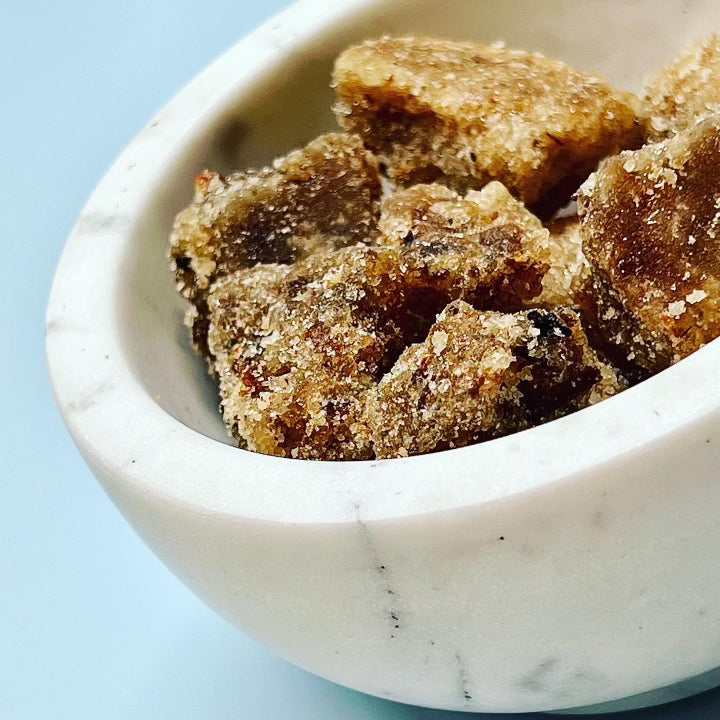
Traditional Somali Uunni (also spelled Uunsi) is one of the most cherished forms of bakhoor, known for its warm, resinous aroma and deep cultural significance.
Related Reading: What Is Uunni? The Complete Guide
Related Reading: What Is Uunni? The Complete Guide (Internal Link)
What You'll Need
There are two common ways to enjoy bakhoor: the traditional charcoal method and the modern electric burner method.
For the Traditional Charcoal Method
- Bakhoor or Uunni
- Heat-resistant incense burner
- Quick-light charcoal tablet
- Charcoal tongs
- Butane lighter or torch
- Mica plate (recommended)
- Heat-safe surface
Although some people place bakhoor directly on charcoal, using a mica plate helps regulate the temperature, allowing the fragrance to release more gradually without burning too quickly.
If a mica plate is unavailable, a small piece of aluminum foil can serve as a temporary alternative.
For the Electric Burner Method
- Electric bakhoor burner
- Bakhoor
- Small spoon or tongs
Electric burners eliminate the need for charcoal and provide a convenient, flame-free option for everyday use.
Method 1: How to Burn Bakhoor with Charcoal
Step 1: Prepare Your Burner
Place your incense burner on a stable, heat-resistant surface away from curtains, paper, or anything flammable.
Step 2: Light the Charcoal
Using charcoal tongs, ignite the edge of a charcoal tablet with a lighter or small torch.
The charcoal will begin to spark and glow.
Step 3: Wait Until the Charcoal Turns Gray
Allow the charcoal to become completely covered with a light gray ash.
This usually takes about 5–10 minutes.
Adding bakhoor too early often causes the fragrance to burn instead of gently diffusing.
Step 4: Position the Mica Plate
Place the mica plate over the charcoal.
This creates indirect heat that allows the fragrant oils to evaporate slowly while extending the life of your bakhoor.
Step 5: Add a Small Amount of Bakhoor
Using tongs or a small spoon, place a modest amount onto the mica plate.
A little goes a long way.
Adding too much at once can overwhelm the room and shorten the burn time.
Step 6: Enjoy the Fragrance
Within moments, the fragrance will begin filling the room.
Many people gently pass clothing or linens through the fragrant smoke to lightly scent fabrics.
Step 7: Dispose of the Charcoal Safely
After use, allow the charcoal to cool completely before discarding it.
Never place hot charcoal directly into a trash container.
Method 2: How to Burn Bakhoor with an Electric Burner
Electric burners provide a convenient alternative for those who prefer not to use charcoal.
- Place the burner on a heat-safe surface.
- Turn the burner on and allow it to warm.
- Add a small amount of bakhoor.
- Allow the fragrance to develop naturally.
- Turn the burner off after use.
- Allow it to cool before cleaning.
Because electric burners provide more consistent heat, many users find they can enjoy longer-lasting fragrance while using less bakhoor.
Common Mistakes to Avoid
Using Too Much Bakhoor
More fragrance does not necessarily produce a better experience.
Start small and add more only if needed.
Adding Bakhoor Before the Charcoal Is Ready
If the charcoal is still black, it hasn't reached the proper temperature.
Always wait until it becomes fully covered with gray ash.
Burning Bakhoor Directly on Charcoal
Direct contact with charcoal often overheats delicate aromatic ingredients.
A mica plate helps preserve the fragrance while producing a smoother scent.
Leaving Burning Charcoal Unattended
Never leave lit charcoal unattended.
Always extinguish safely after use.
Using an Unstable Burner
Only use heat-resistant incense burners designed for charcoal or bakhoor.
Bakhoor Safety Tips
- Keep away from children and pets.
- Burn only on heat-resistant surfaces.
- Keep away from curtains and paper.
- Ensure adequate room ventilation.
- Never leave burning charcoal unattended.
- Allow burners to cool completely before handling.
- Store charcoal in a dry location.
Charcoal vs. Electric Burner
| Charcoal Burner | Electric Burner |
|---|---|
| Traditional experience | Flame-free convenience |
| Stronger fragrance projection | More controlled heating |
| Requires lighting charcoal | Ready with the flip of a switch |
| Ideal for ceremonies and gatherings | Ideal for everyday home use |
Both methods produce excellent results. The choice comes down to personal preference and convenience.
Experience Authentic Somali UUNSI
Whether you prefer the timeless ritual of burning bakhoor over charcoal or the convenience of an electric burner, the most important ingredient is the quality of the incense itself.
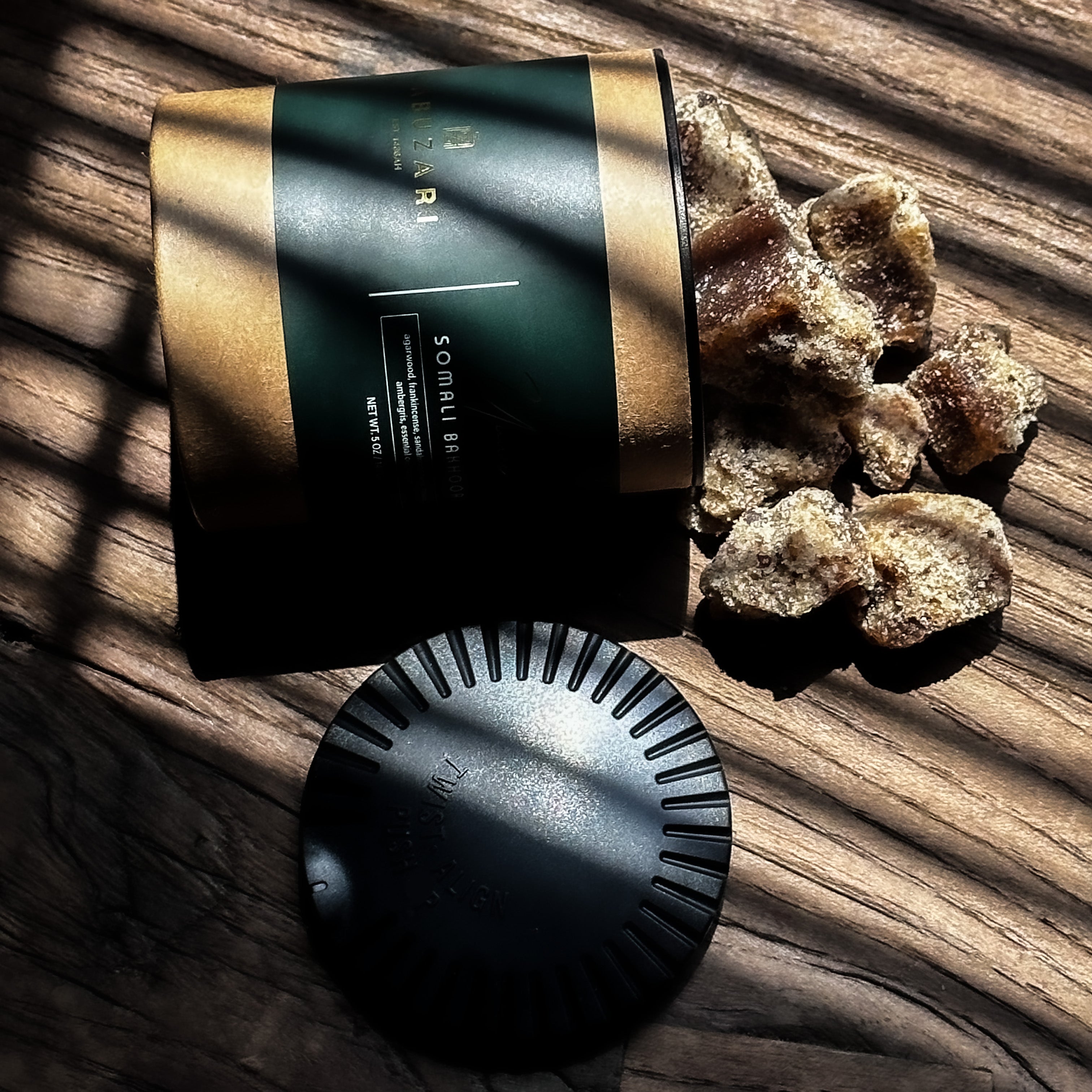
At Abu Zari, our UUNSI (UUNNI) Somali Incense is handcrafted using traditional aromatic ingredients—including oud, frankincense, sandalwood, and fragrant resins—to create a rich, long-lasting aroma that beautifully scents your home, clothing, and living spaces.
If you’re ready to experience the warmth and tradition of authentic Somali bakhoor, explore our signature UUNSI and bring this centuries-old ritual into your home.

Written by ABU ZARI FRAGRANCES